OpenClaw Claims the No. 1 Spot on GitHub: A New Inflection Point for Brand Influence Governance
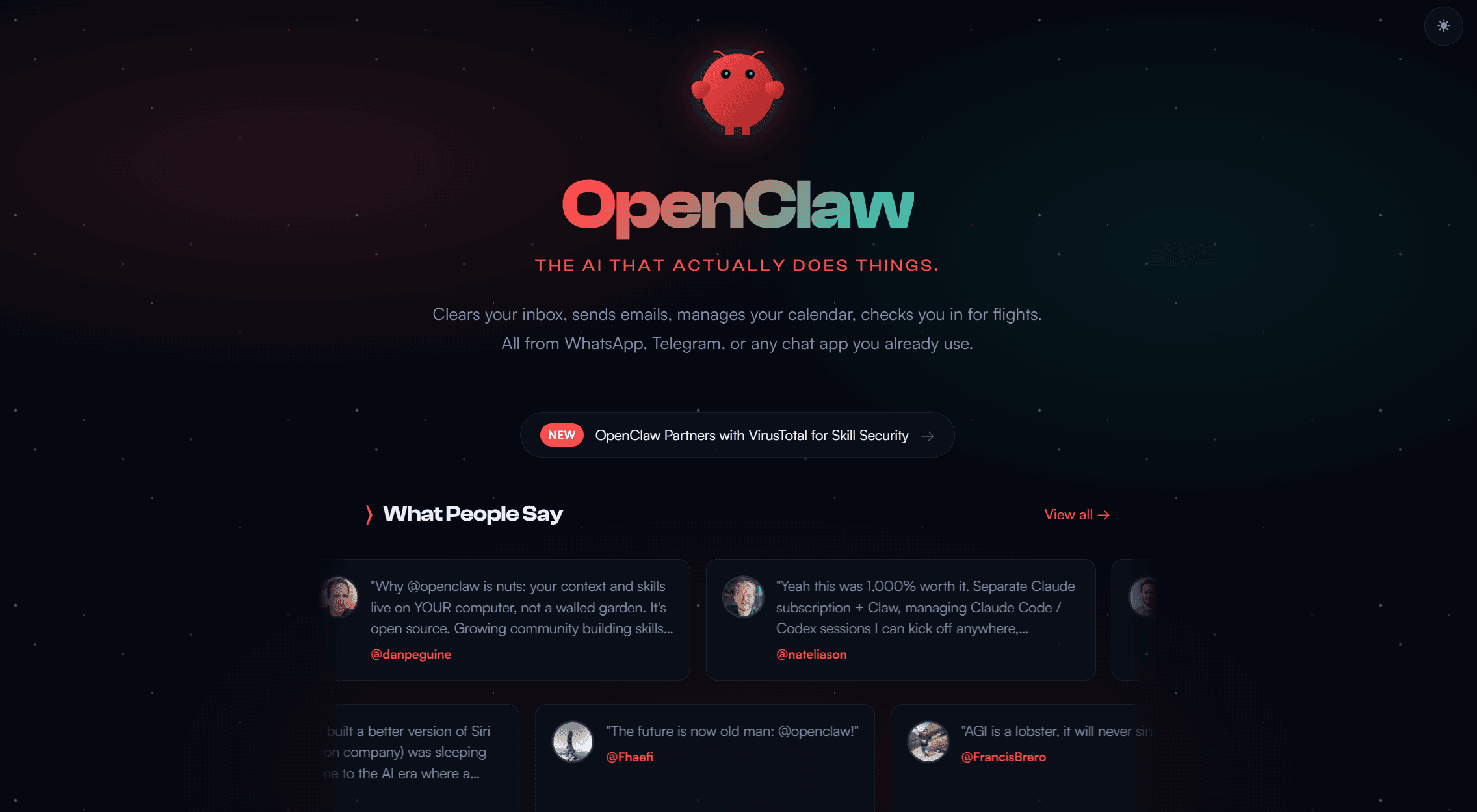
OpenClaw’s rise to the top of GitHub’s all-time star rankings in just a few months is not merely another technical headline. It is a clear signal: personalized, agentic AI is rapidly moving from a research paradigm to an everyday interface.
From a technical perspective, OpenClaw integrates local data, chat streaming, tool calling, and workflow automation into a single agent framework. This makes the idea of “handing everyday work over to AI” no longer a distant concept, but a practical capability that can actually be deployed and scaled. The explosion of this kind of agent signals a broader shift in AI: from a passive response tool to an active executor. It can proactively organize emails, run workflows, and interact with multiple applications on your behalf.
At the same time, this acceleration brings new risks and feedback loops. Security and governance issues are being amplified. From research communities to enterprise security teams, more voices are warning about the misuse potential of certain agents. Some tools have even been reported using automation to bypass website protections, triggering serious concern from platforms and the cybersecurity community. These discussions point to one reality: the faster agents become mainstream, the greater their spillover impact on brands and the broader ecosystem.
What does this mean directly for brands?
1. The access point is changing
Consumers are increasingly no longer following the path of search → click → read. Instead, they are starting with ask AI → receive a condensed answer. When AI becomes the first touchpoint, the communication order between brands and consumers changes from brand → person to brand → AI → person. AI now plays the role of filtering, reframing, and recommending information, deciding which brands are cited and how they are described. This is exactly why OpenClaw’s sudden popularity should be a wake-up call for the market.
2. Trust is shifting from people to systems
In the past, brands built trust through media, KOLs, and user reviews. In the future, they must also compete to be trusted by models. When model citations, citation context, and entity associations begin to shape answer rankings, a brand’s semantic assets—including verifiable data, structured content, and authoritative sources—become a new form of competitive currency.
3. Risks and opportunities now coexist
While agents can significantly improve efficiency, they can also amplify misinformation or place brands into unfavorable contexts, such as being misquoted by automation tools or associated with negative narratives. If brands do not step in early to manage trust at the AI layer, they will be forced to react to reputational and operational risks created by model outputs.
So what should brands do?
Strategy now needs to shift immediately in two directions: governance and assetization.
Governance (AI-level governance)
Brands need to build monitoring and intervention mechanisms that can directly respond to model behavior. This includes source verification, citation tracking, anomaly alerts, and negative semantic mitigation workflows. This is not simply crisis PR. It is about elevating governance into a joint system capability shared by technology and content.
Assetization (semantic asset building)
Brands need to structure their core knowledge and authoritative content into forms that models can read, verify, and cite. This means providing clear entity definitions, traceable source chains, and explanatory technical or evidence documents, so that models will naturally prioritize a brand’s content when generating answers.
This is where ximu comes in
ximu helps brands turn invisible AI cognition into an asset that is observable, measurable, and actionable.
Its concrete value includes:
- Quantifying AI visibility in real time through AI Visibility / STI Index, helping brands understand their exposure and citation status across model environments
- Analyzing model citation sources and contexts to identify key content that is being ignored or misunderstood, so brands can prioritize what to repair or strengthen
- Providing data at the query and intent layer, helping brands understand both user questions and how AI is actually interpreting them
The real meaning of OpenClaw’s rise
The significance of OpenClaw reaching the top goes far beyond a breakout technical phenomenon. It is a moment of accountability for brand strategy. AI is no longer sitting at the edge of people’s work and lives. It is becoming a new communication intermediary and a new judge of trust.
Brands must evolve from speaking to people to first explaining themselves clearly to AI, and then letting AI persuade people. They must also make AI trust governance a core part of brand asset management.
That is exactly what ximu provides: a technical and strategic system that supports monitoring, diagnosis, optimization, and continuous governance. In the age of agents, this capability will determine which brands are remembered by AI—and which are forgotten.