When 68% of Searches End Without a Click, Where Do Brands Find Their Customers?
In the age of AI-driven decisions, the logic of growth has changed
Between January and April 2026, 68.01% of Google search sessions in the US ended without a single click.
Users are no longer doing the filtering themselves.
AI is doing it for them.
68.01% — the zero-click rate of US Google searches, up 7.56 percentage points in two years: the fastest rise in a decade.
The rate climbed from 49% in 2019, to 60.45% in 2024, to 68.01% in 2026. Out of every 1,000 searches, only 276 clicks now flow out to the open web. On AI-native platforms, the numbers are even starker: zero-click rates reach 93% on Perplexity, 88% on Google AI Mode, and 82% on ChatGPT Search.
This isn't a one-quarter anomaly. It is the sharpest structural break in search in ten years.
When AI Overviews appear, the click-through rate of the top organic result drops by roughly 58%. And on searches that show an AI summary, 72% of users simply accept the answer and never click further.
Where your brand ranks on a results page no longer decides whether users find you. What decides it is how AI describes you inside the chat window.
The entry point has moved — and so has the brand's first touchpoint
For the past twenty years, the way brands built influence was relatively clear: search engines, media exposure, and content, working together to shape how people perceived and chose. Users searched, compared, and then decided.
That path is being compressed — fast.
More and more users now hand their questions straight to AI. "Finding information" has become "getting an answer." Comparing many sources has become receiving a single conclusion.
AI is no longer just an intermediary for information. It is starting to take part in judgment — and to make recommendations outright.
As Xinhua reported in early 2026: even if a brand's website ranks well in traditional search, if its information isn't adopted by AI and woven into generated answers, the brand effectively disappears from the decision journey of a new generation of users.
Decisions no longer happen between the brand and the user. They happen inside AI first.
When the entry point shifts from the search box to the chat window, and the result shifts from a list to an answer, the competitive playbook brands know starts to fail. Rankings, clicks, and traffic still exist — but their influence is shrinking.
In their place, a new set of questions:
Does AI understand you?
Does AI trust you?
Is AI willing to recommend you?
The hidden crisis: your brand doesn't "exist" inside the model
Working with clients on the front line, we keep seeing the same gap forming: plenty of companies are highly active on social media, yet effectively transparent inside AI models.
Lots of output. Very little presence.
The model can't find the brand's context, its narrative, or its positioning. It can't read the brand's own semantic voice. The result: when the model recommends products, it routes around you.
Not out of malice. It simply doesn't know whether you are credible enough.
This is the backdrop against which ximu was built.
ximu is a Directed Growth platform designed for the age of AI-driven decisions. Using the Query as the smallest unit of analysis, we show companies how they are understood, compared, and chosen — across different AI platforms, markets, and countries.
Which queries are worth going after.
Where the perception gaps are.
Where a competitive advantage has already formed.
ximu then turns those signals into clear actions: what to strengthen, what to influence, and what to prioritize. This isn't casting a wide net. It is Directed Growth aimed at the decision scenarios with the highest commercial value.
Just as important, we keep tracking how the data moves at the query level — to verify whether those actions actually produce growth. That lets companies find and amplify their competitive advantage faster, with less time and lower cost of trial and error. And all of it can be compared and executed continuously across countries, languages, and AI platforms.
Where does growth actually happen? At the query level
Two real client cases show that growth happens at the level of individual queries — not through broad, scattershot exposure.
- A globally recognized chipmaker: after three months of optimization on DeepSeek, the brand pulled ahead of competitors in a fiercely contested market to claim category leadership. Its first-recommendation rate rose from 22% to 68%, brand mentions went from 29 to 46, and product recommendations went from 29 to 67.
- An AI tool company expanding overseas: gaining 10,000 new users every month, with a paid conversion rate as high as 5%, at 50% lower cost than traditional digital channels.
The main battlefield of brand competition has moved from the search results page to AI's logic of understanding and recommendation.
Apsara Conference 2026: the Agent Native era officially begins
The 2026 Apsara Conference (Yunqi) takes place September 22–24 at the Hangzhou International Expo Center, under the theme Intelligence Goes Beyond. Its core anchor is Agentic AI — the full chain linking chips, cloud infrastructure, model capabilities, and agentic applications.
What stands out even more: this year introduces an Agent Native way to attend. Every attendee can bring their own agent, which receives its own digital identity, reads the agenda and exhibitor information in real time, and makes recommendations based on the attendee's preferences.
When an agent chooses on a user's behalf, what it is doing in the background is, in essence, issuing queries, comparing queries, and making recommendation decisions at the query level.
When your customers show up to buy with an agent in tow — will that agent recommend you?
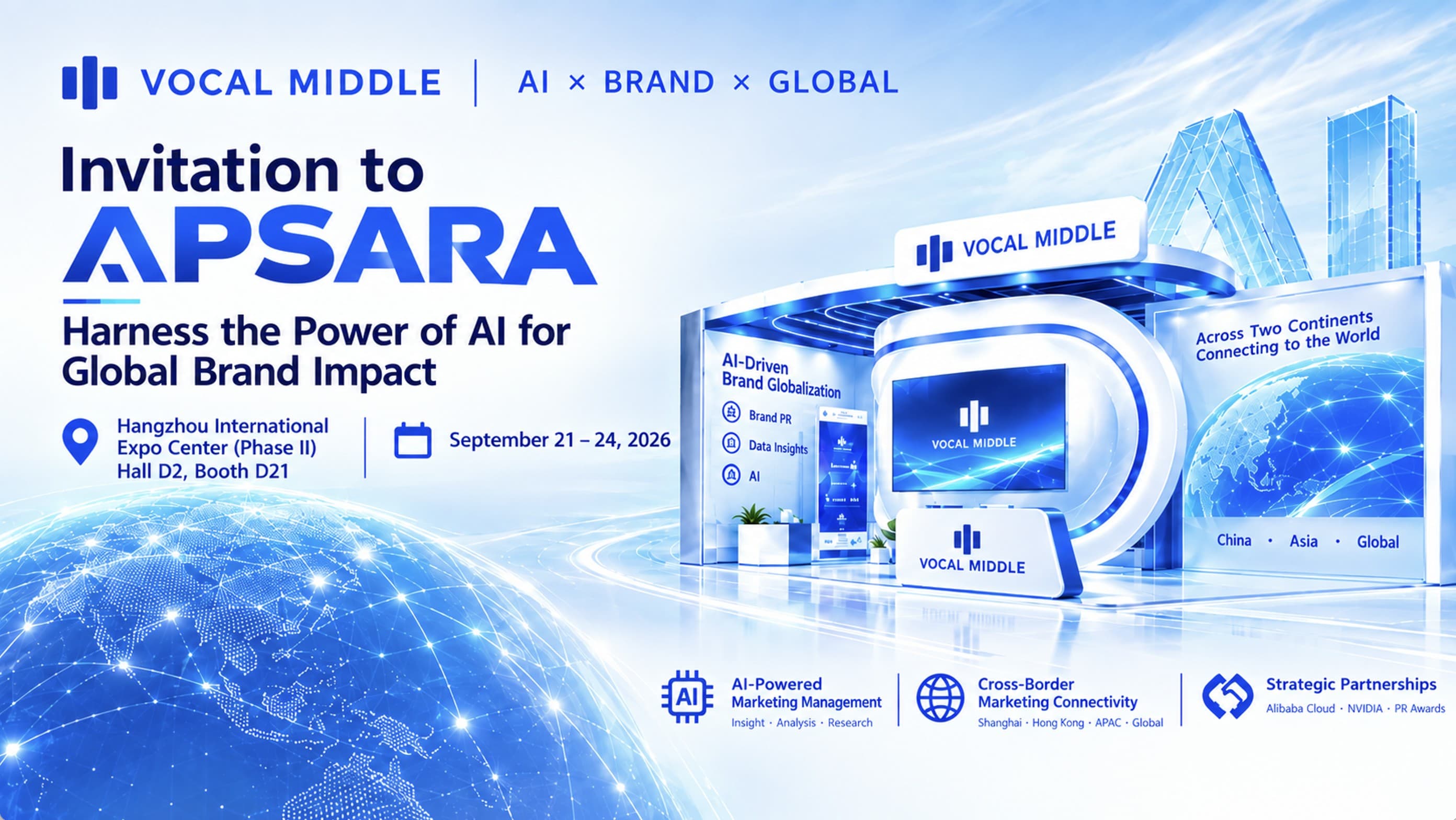
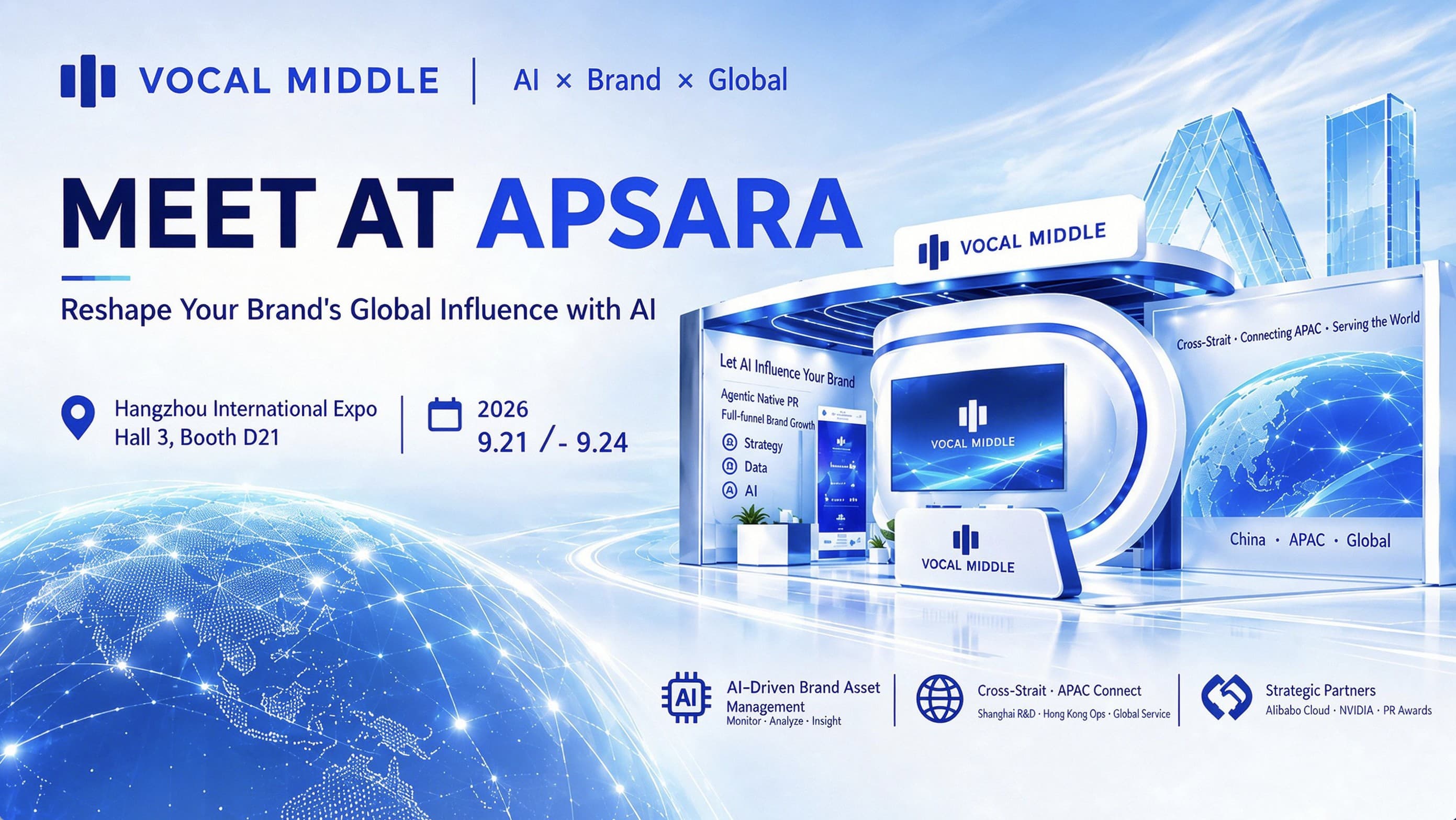
From September 22–24, ximu will be at the Apsara Conference in Hall 3 · Super Creation Hall, Booth D21, and will give a 20-minute talk: Brand Asset Management in the AI Era.
We won't be running live data on site. Instead, we've prepared complete sample case reports with interactive walkthroughs — so you can see for yourself how your brand is described across leading models such as ChatGPT, Gemini, DeepSeek, Doubao, and Qwen; which queries it gets recommended in; and which queries competitors are taking from you.
ximu's value isn't telling you what AI sees. It's helping you decide where to grow next — and proving that the growth actually happened.
An invitation
Send us the one query you care about most — for example, "best XX tool for XX" — at hello@ximu-geo.com. At the conference, we'll use our prepared case samples to show you where your brand stands in that query.
We're also offering the I.Q. Lite Brand AI Perception Diagnostic (valued at US$180): a fast, clear view of your brand's visibility and competitive position in the AI world, with a 90-day action plan. Your dedicated report is delivered within one week of submitting your information.
September 22–24, Hangzhou International Expo Center, Hall 3 · Super Creation Hall, Booth D21. The ximu team looks forward to meeting you.
Decide what to change. Act. Prove what works.